
PRECISION • CONSISTENCY • CONFIDENCE
Quality is a system.
Every detail is connected.
From the first component to the final presentation.
GOOD TEC brings material selection, structural design, assembly standards and batch management together for perfume atomizers, car diffusers and perfume caps. Our fragrance packaging quality control approach connects how a product looks, fits and performs.
Explore product quality priorities ↗01 / PRODUCT QUALITY PRIORITIES
Different products.
Precisely defined requirements.
Inspection scope begins with the selected design, approved sample and intended use.
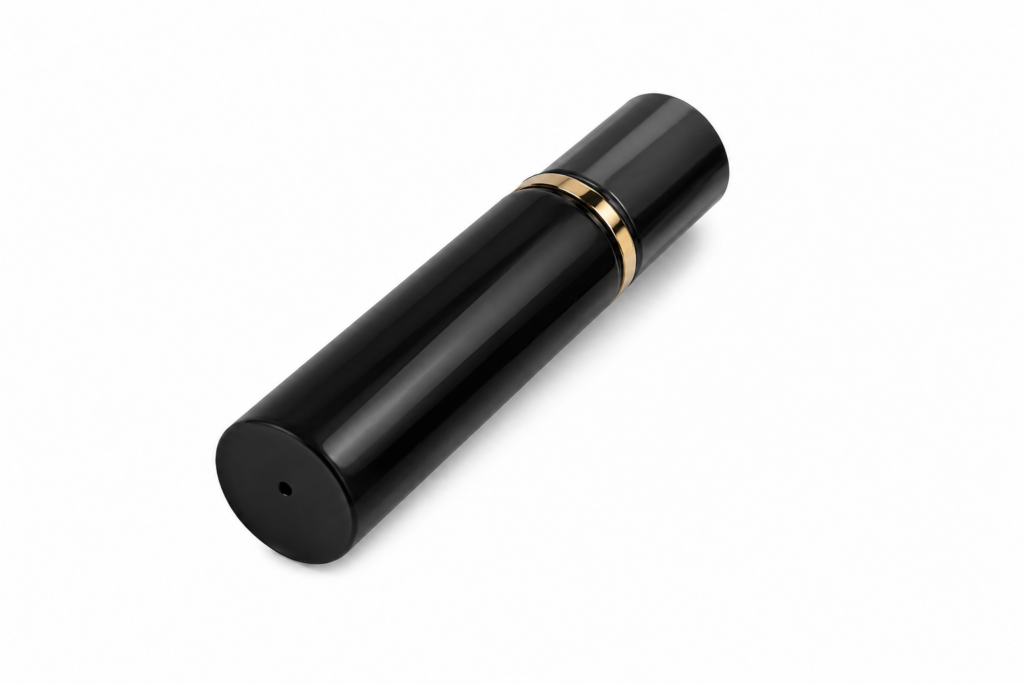
Refined spray.
Reliable assembly.
Perfume atomizer quality control focuses on spray consistency, sealing reliability and component fit. Refill-system and durability requirements depend on the selected model.
- Spray & sealing performance
- Assembly fit & critical dimensions
- Refill-system requirements
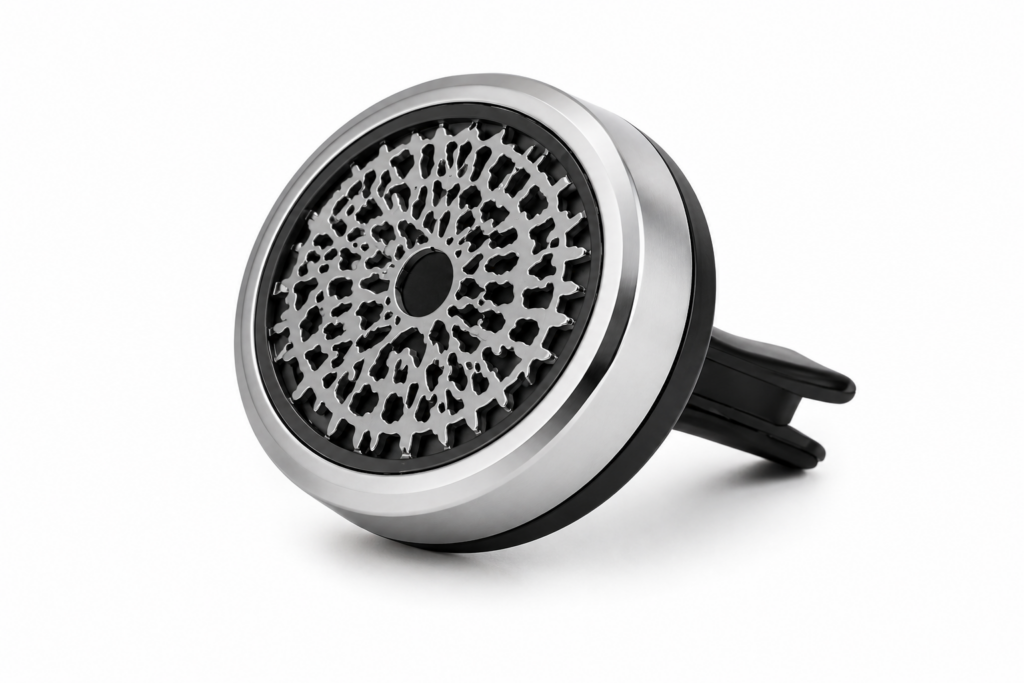
Considered structure.
Consistent finish.
Car diffuser quality priorities vary across vent-clip, hanging and refillable designs. Agree attachment, material compatibility and intended-use requirements for your project.
- Housing & component fit
- Attachment design requirements
- Fragrance & material compatibility
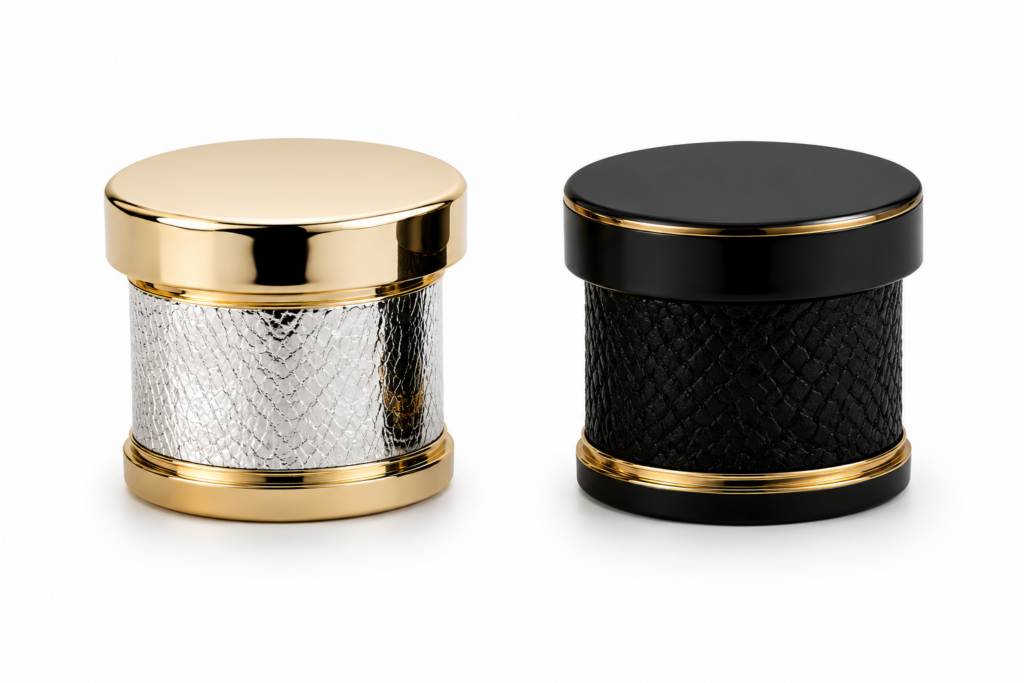
Precise fit.
A distinctive finish.
Perfume cap quality control brings together dimensional fit, assembly tolerances and visual consistency against the approved sample and bottle design.
- Cap-to-bottle fit
- Surface finish, colour & texture
- Assembly & closure requirements
02 / INSPECTION EQUIPMENT & VALIDATION
Precision in every check.
Confidence at every stage.
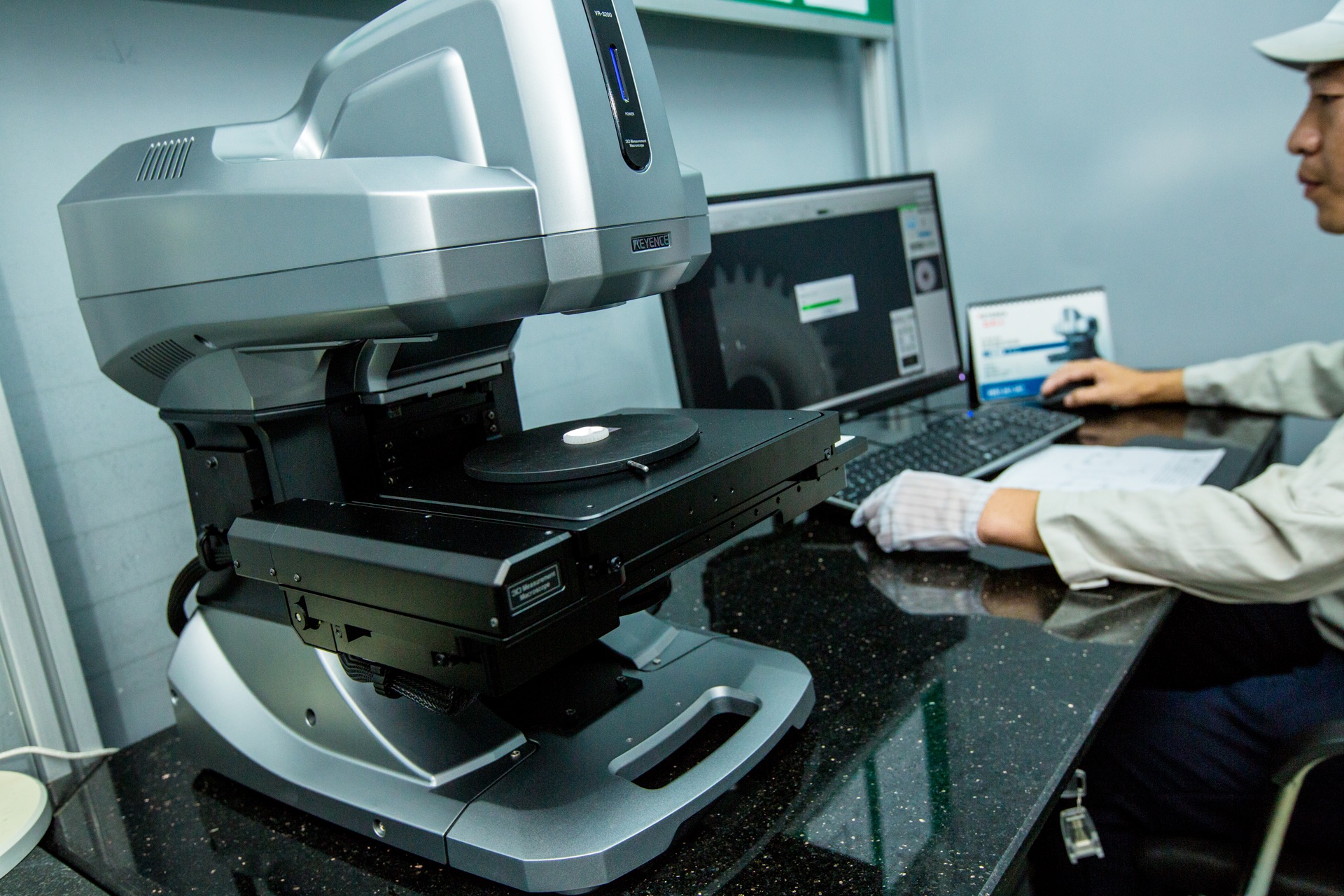
From material analysis to dimensional, surface and environmental testing, each method connects a product requirement with inspection evidence.
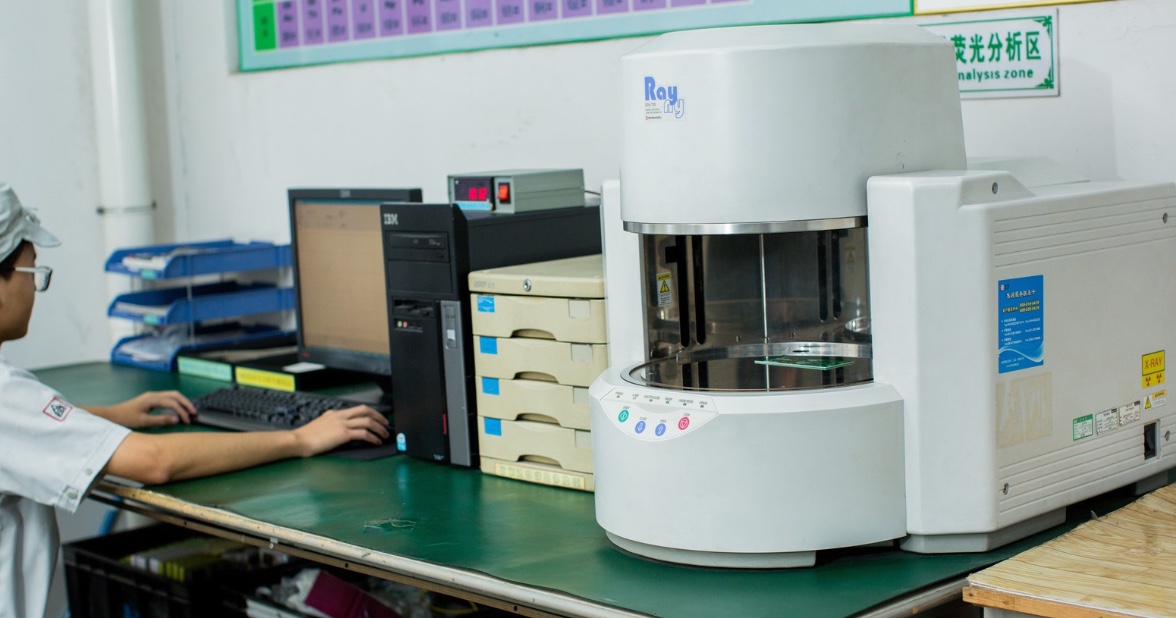
Verify the starting point.
Material analysis supports incoming checks on selected metal components. Review material requirements and analysis results before components enter production.
IQC · Atomizer housings / diffuser components / perfume caps
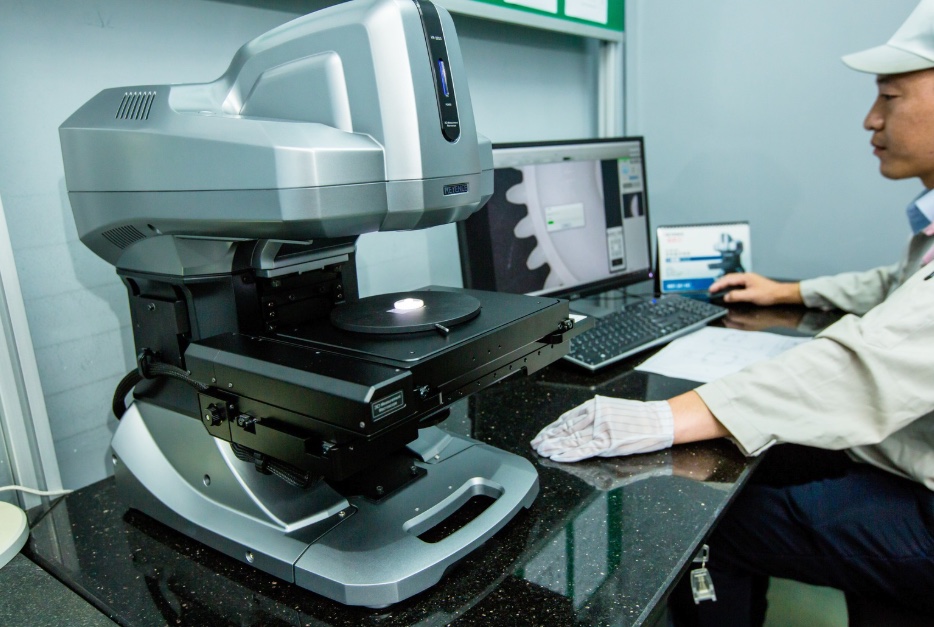
2D dimensional measurement
Measure critical profiles and feature dimensions against approved drawings. Check component fit for atomizer assemblies, diffuser housings and cap-to-bottle interfaces.
IQC + IPQC · Critical dimensions / component fit
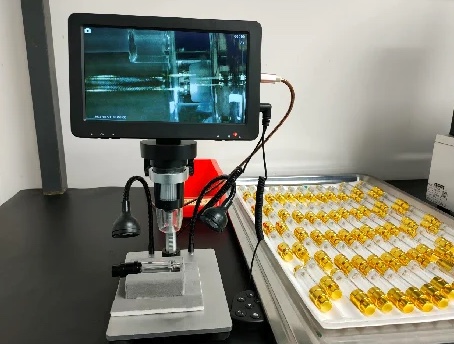
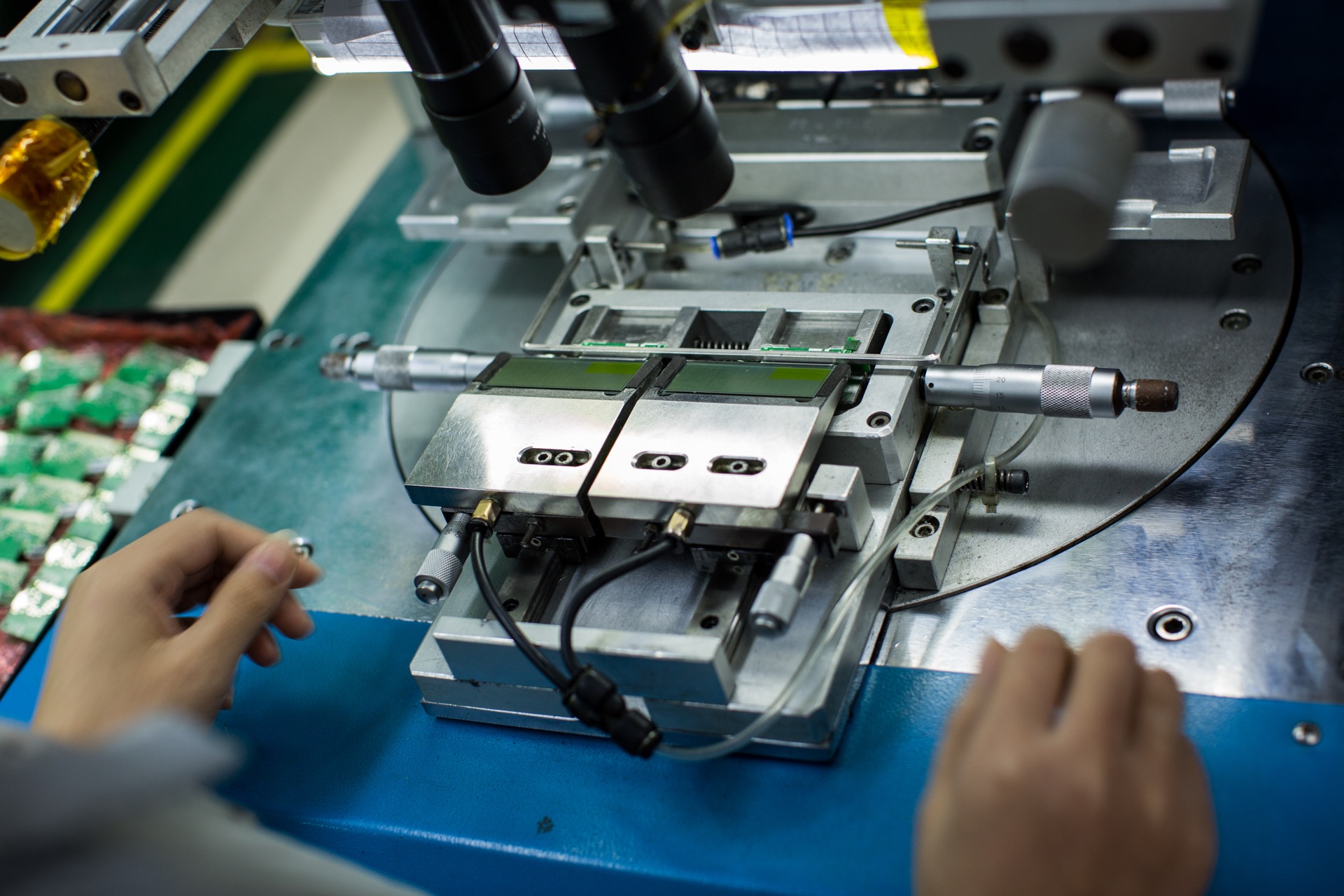
A closer view of every detail.
Optical inspection reveals small component details, edges and assembly features. Compare selected parts with defined visual references and acceptance criteria.
IPQC · Small components / profiles / visible details
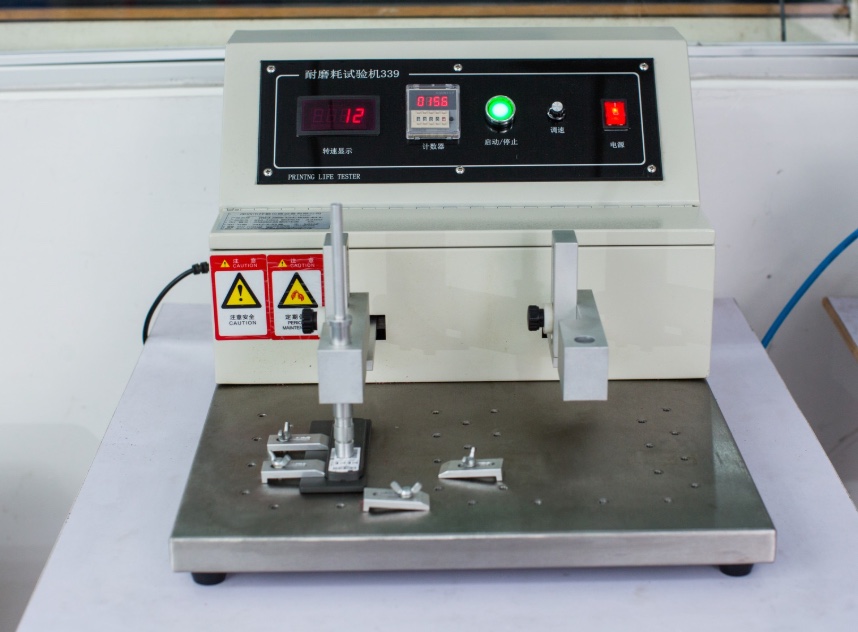
Leather & surface abrasion
Evaluate wear on leather wrapping, printed decoration and selected surface finishes. Review changes in appearance after the agreed rubbing method and test duration.
VALIDATION · Atomizer sleeves / wrapped caps / decorated surfaces

High & low temperature testing
Evaluate selected materials, finishes and assembled products under defined temperature conditions. Review appearance, fit and function after exposure, with particular attention to car diffuser applications.
VALIDATION · Materials / seals / assembled products
Drop testing
Assess structural integrity and assembly retention after defined drops. Review the product and its packaging for damage, loose components and changes in function.
VALIDATION · Finished products / protective packaging
03 / THE QUALITY FRAMEWORK
Define. Verify.
Trace. Improve.
A process-led framework informed by ISO 9001 quality management principles. Inspection criteria and records are agreed for each project.
Define the standard
Agree product specifications, sample references, critical characteristics and acceptance criteria.
Specification · Reference sample · Inspection scopeControl the process
Connect incoming materials and assembly requirements with checks during production.
Incoming checks · Process checks · Work requirementsReview the evidence
Review inspection results against the agreed requirements and identify deviations for assessment.
Inspection results · Batch identification · ReviewClose the loop
Define the response to a deviation, assess its cause and verify the effectiveness of agreed actions.
Containment · Cause review · Follow-upProduct acceptance criteria and inspection records are defined for the selected design and application.
04 / INSPECTION THROUGH PRODUCTION
Three stages.
One connected process.
From incoming components to finished packaging, each stage has a clear purpose.

Begin with the right components.
Materials and components are verified upon arrival, establishing the starting point for consistent production.
Keep assembly in focus.
Assembly accuracy and functional performance are monitored during production.
Review before shipment.
Appearance, function and packaging are verified before dispatch.
05 / RECORDS & TRACEABILITY
Every batch.
A clearer history.
GOOD TEC manages batch numbers across pallets, cartons and key components to support quality tracking and corrective action when required.
For a long-term supply program, define the records, identification and review points needed for your project.
Define your quality brief ↗Specification & sample
What needs to be verified?
Inspection & batch record
Which result belongs to which batch?
Deviation & action review
What action is needed, and how is it verified?
Record scope and availability are confirmed for each order.
06 / PROJECT QUALITY BRIEF
Clarity before production.
Define measurable expectations for the product you are developing.
Product & intended use
Selected model, fragrance system and application.
Critical requirements
Dimensions, fit, function and finish references.
Verification & records
Inspection scope, acceptance criteria and batch identification.
Quality control questions
Does ISO 9001 define the test limits for every product?
ISO 9001 provides a quality management framework. Spray, fit, finish and other product acceptance criteria need to be defined for the selected design and application.
Can the inspection scope differ between product types?
Yes. A refillable perfume atomizer, a vent-clip car diffuser and a decorative perfume cap have different functions. Share your requirements so the relevant checks can be discussed before production.
What should I provide for an OEM or ODM quality review?
Start with drawings or an approved sample, intended use, finish references and any required performance criteria. Include your expectations for inspection records and traceability.
